The Best Screen-Free Activities for Kids: Puzzle Books That Actually Hold Attention
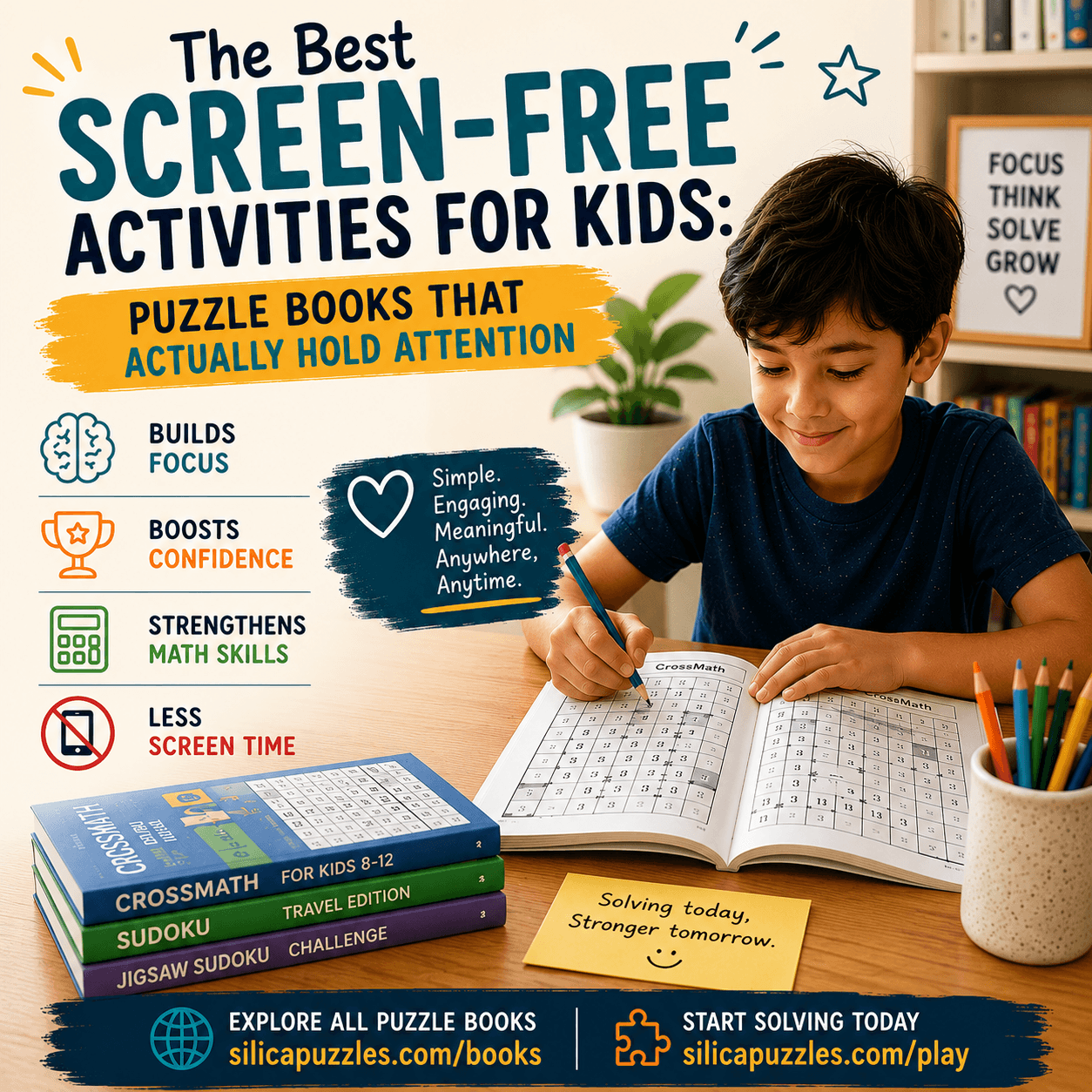
Looking for screen-free activities that kids actually enjoy? Discover why puzzle books keep children engaged, build maths confidence, and provide a meaningful alternative to endless screen time.
It starts the same way every time.
Your kid wanders into the room, announces they're bored, and before you can suggest anything, they're already reaching for a tablet, a phone, or the TV remote. You give in because it works. The boredom stops. The room gets quiet.
And then the guilt kicks in.
If this sounds familiar, you're not alone. Most parents today are caught in exactly this cycle.
We know screens are not ideal. We want alternatives. We just cannot always find ones that actually hold attention long enough to matter.
That is what this post is really about. Not a lecture on screen time. Not a list of 47 craft ideas that require three trips to the hobby shop. Just the honest truth about one type of screen-free activity that genuinely works: puzzle books.
Why Screen-Free Activities Are Harder Than They Sound
Most screen-free activity suggestions do not account for one thing: the competition.
You are not competing with boredom. You are competing with apps designed by teams of engineers whose entire job is to keep attention locked in.
The activities that survive that competition share one quality: they are active, not passive.
A screen entertains. A puzzle engages.
One does the thinking for you. The other asks you to think and makes it feel like fun while you do it.
What Makes Puzzle Books Different
Puzzles have a problem to solve.
Kids who pick up a puzzle book do not put it down because they gave up. They put it down because they finished something.
Every puzzle is a small win.
And small wins build confidence.
Good puzzle books also scale naturally. Start easy, progress harder.
Math Puzzle Books for Kids Ages 7-12
If your child is between 7 and 12 years old, this is one of the most important windows to build a puzzle habit.
These are the years when a child's relationship with maths is formed.
CrossMath puzzles are particularly well suited for this age.
Instead of drilling the same equation type repeatedly, CrossMath combines multiple operations inside a crossword-style puzzle.
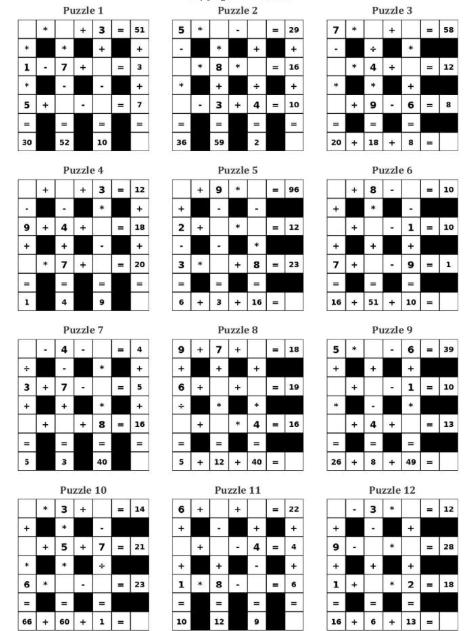
Our 1000 Math Crossword Puzzles for Kids 8-12 was designed with exactly this in mind.
If your child is slightly younger or focusing on a specific skill, the CrossMath Focused Series lets you build confidence one operation at a time.
Sudoku: The Gateway Puzzle for All Ages
If CrossMath is the maths workout, Sudoku is the logic workout.
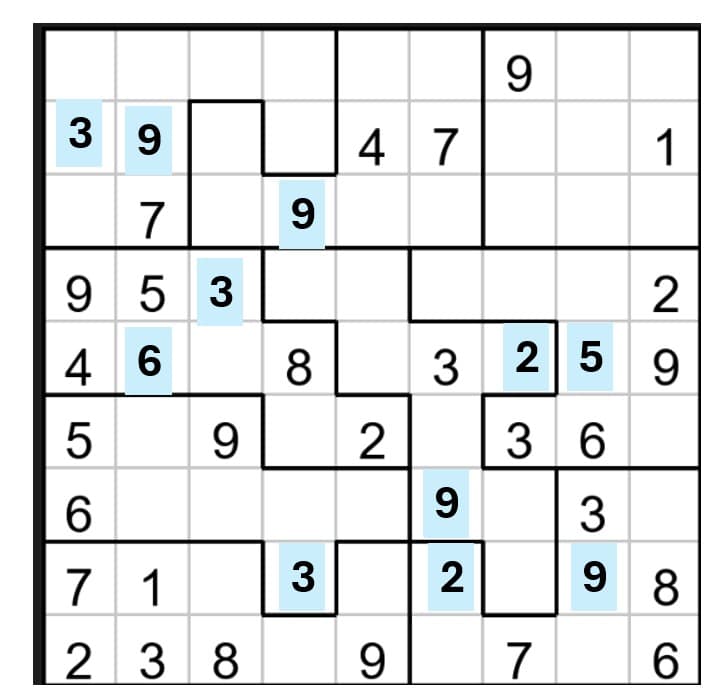
The rules are simple. Fill the grid so every row, column and region contains each number exactly once.
No maths required. Just logic and pattern recognition.
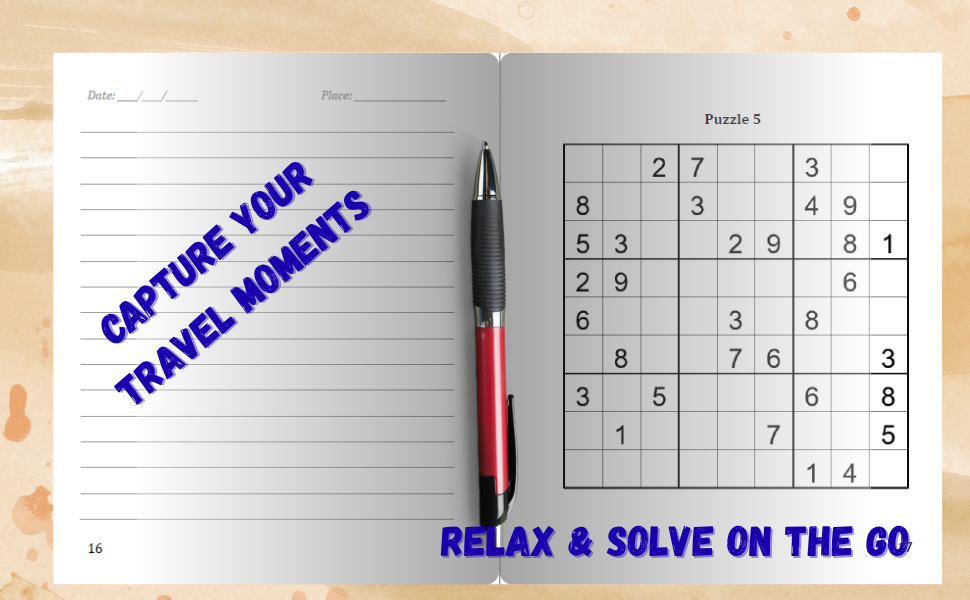
For kids who travel frequently, our Travel Sudoku series comes in several formats including classic Sudoku, Arrow Sudoku and Jigsaw Sudoku.
Where and When Puzzle Books Actually Get Used
- Long car journeys
- Rainy afternoons
- After school wind-down
- Waiting rooms and queues
- Before bed
Making the Habit Stick
Leave puzzle books visible.
Do one yourself.
Avoid time targets.
Let children choose their own puzzles.
The moment puzzles feel like homework, the magic starts to disappear.
A Note on Screen Time
This is not about eliminating screens.
The goal is balance.
Puzzle books simply provide another option for spending attention.
Where to Start
If you are new to puzzle books, start with one book matched to your child's age and interests.
For maths confidence, start with CrossMath.
For logic and pattern recognition, start with Sudoku.
You can also try our free daily puzzles before choosing a book.
Explore all puzzle books at silicapuzzles.com/books or start solving today at silicapuzzles.com/play.